
PELVIC FLOOR PHYSICAL THERAPY
Pelvic health
for an active life.
You shouldn't have to choose between staying active and managing pelvic floor symptoms. Leaking when you run, jump, lift, sneeze or swing a golf club isn't something you simply have to accept. Neither is pelvic pressure, persistent hip or back pain, discomfort with intimacy, or feeling like your core hasn't been the same since pregnancy.

NOT ONE-SIZE-FITS-ALL
Feel strong, comfortable and confident in your body.
Pelvic floor symptoms may be common, but they don't have to become your new normal.
Whether you're experiencing bladder leakage, pelvic pressure, pain with intimacy, changes during pregnancy or postpartum, or symptoms that are simply getting in the way of your active life, pelvic floor physical therapy can help you understand what's happening—and what you can do about it.
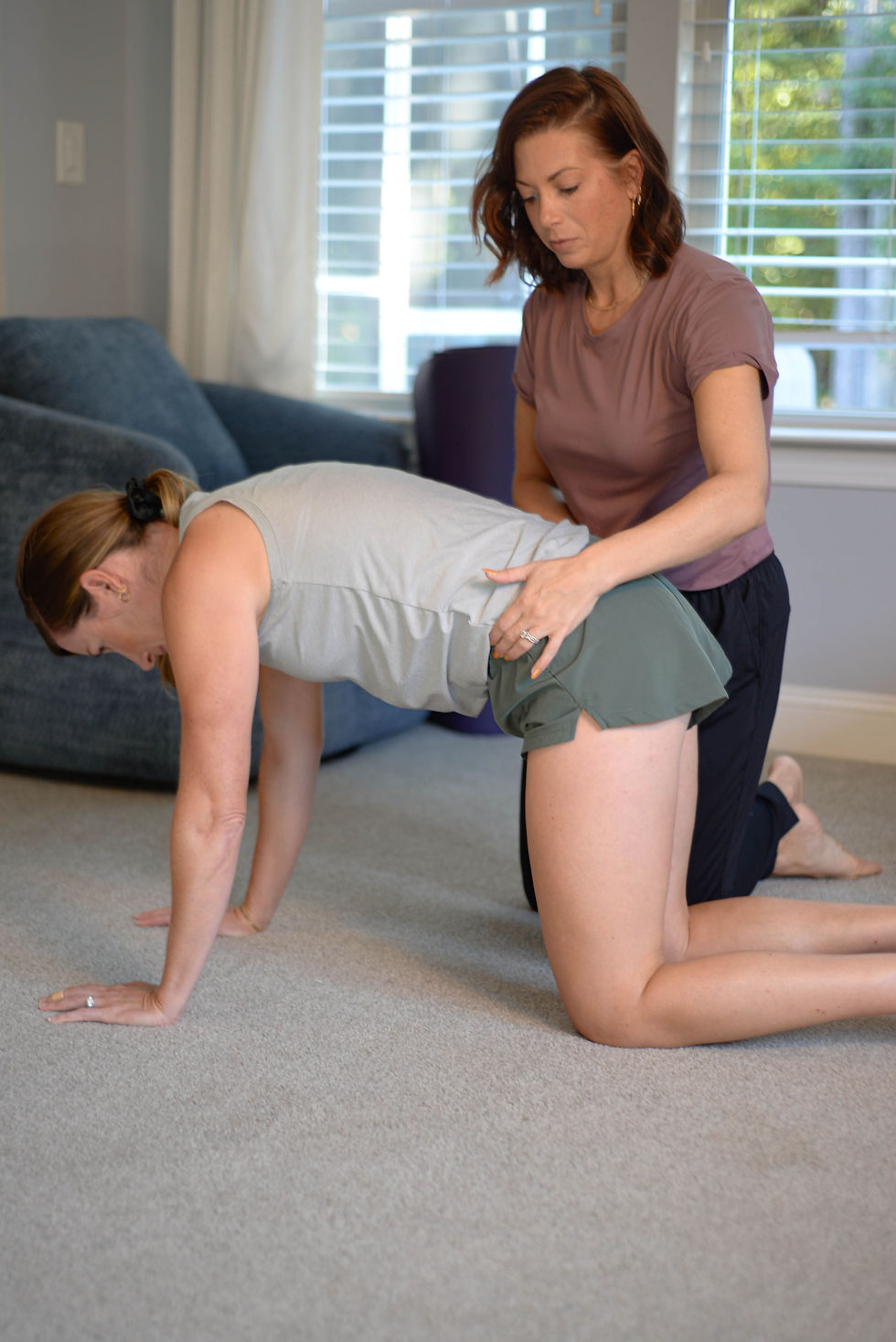
At Magnolia Physical Therapy, pelvic health is approached through the lens of the whole body. Because your pelvic floor doesn't function by itself—and your treatment shouldn't treat it that way.
One-on-one care. Whole-body treatment. A plan built around you.
What we treat.
Pelvic floor physical therapy at Magnolia is available for women throughout adulthood, not only during pregnancy or after having a baby.
Bladder & Pelvic Floor Symptoms
-
Urinary leakage with coughing, sneezing, laughing or exercise
-
Difficulty fully emptying the bladder
-
Pelvic organ prolapse symptoms
-
Pelvic floor muscle tension or overactivity
-
Urinary urgency and frequency
-
Pelvic pressure or heaviness
-
Pelvic floor weakness
Pelvic Pain & Sexual Health
-
Pain with intercourse
-
Pelvic or vaginal pain
-
Pelvic floor muscle spasms or tension
-
Pain or difficulty with penetration
-
Vulvar discomfort
-
Persistent pelvic, hip or low back pain
Pregnancy
-
Pelvic girdle and SI joint pain
-
Maintaining strength and mobility during pregnancy
-
Pelvic floor preparation
-
Hip and low back pain
-
Exercise modifications
-
Birth preparation and pushing strategies
Postpartum Recovery
-
Return to exercise
-
Diastasis recti
-
Pelvic pressure or heaviness
-
Pain following vaginal or cesarean delivery
-
Core weakness
-
Urinary leakage
-
C-section and abdominal scar recovery
-
Rebuilding strength and confidence
Bowel, Core & Movement Concerns
-
Constipation
-
Core weakness and dysfunction
-
Difficulty managing pressure during exercise
-
Difficulty coordinating the pelvic floor
-
Hip, pelvic and low back pain
-
Returning safely and confidently to higher-level activity

THE MAGNOLIA EXPERIENCE
Pelvic floor dysfunction doesn't always mean your muscles are weak.
Some pelvic floor muscles need strengthening. Others are tight or overactive. Sometimes they're strong but aren't coordinating well with your breathing, core or movement. And sometimes the pelvic floor is only one piece of the problem.
Your symptoms may also be influenced by hip mobility, abdominal strength, breathing mechanics, scar tissue, spinal movement, muscle tension or the way your body manages pressure during everyday activities and exercise.
That's why treatment at Magnolia isn't based on a generic set of pelvic floor exercises.
We figure out what your body actually needs.
What to Expect at Your First Visit
We start with a conversation. We'll talk about what's bothering you, when you notice your symptoms, your medical and activity history, and—most importantly—what you'd like to get back to doing comfortably and confidently. From there, your evaluation may include assessment of your posture, breathing, movement, spine, hips, core and overall strength.
A pelvic floor muscle assessment may also be recommended when it would provide useful information for your treatment.
An internal examination is never automatic.
If an internal pelvic floor assessment is recommended, we'll explain exactly why it may be helpful and what it involves. You are always in control of your care, and nothing is performed without your consent.
We'll then discuss what we found, answer your questions and develop a treatment plan that makes sense for you.

YOUR TREATMENT PLAN
What Pelvic Floor PT at Magnolia Looks Like
Your treatment is completely individualized based on your assessment, symptoms, comfort level and goals.
Pelvic floor muscle assessment and retraining
Scar tissue treatment
Bladder and bowel education
Hands-on manual therapy
Orthopedic and movement assessment
A realistic home program designed for your life
Pregnancy and postpartum exercise guidance
Mobility and flexibility work
Return-to-running, lifting, golf or other activities
Trigger point treatment
Core and hip strengthening
Breathing and pressure-management strategies
And because Magnolia also specializes in orthopedic physical therapy and trigger point dry needling, we can address musculoskeletal issues that may be contributing to your symptoms rather than treating your pelvic floor as an isolated body part.
Frequently asked
questions.
Not at all. Pelvic floor concerns can affect women at every stage of adulthood. Pregnancy and childbirth are only two of many factors that can influence pelvic health.
It's common—but common doesn't mean you have to live with it. Leakage with running, jumping, lifting, coughing or sneezing can be a sign that your pelvic floor and pressure-management system aren't working as efficiently as they could.
No. An internal assessment can provide valuable information in some situations, but it is never automatic or required. We'll discuss whether it would be helpful for you, and the decision is always yours.
Kegels can be helpful for some people, but they aren't appropriate for every pelvic floor problem. If your muscles are already tight or aren't coordinating properly, repeatedly contracting them may not address the underlying issue. Your treatment should be based on what your pelvic floor actually needs.
You don't have to wait until you're struggling. Postpartum physical therapy can help with recovery, mobility, pain, core and pelvic floor function, and eventually returning to exercise. The timing and type of treatment will depend on your delivery, recovery and individual circumstances.
Absolutely not. Symptoms that began during pregnancy or postpartum can persist for years, and they can still be addressed.